Welcoming All Voices in Building One Saanich
When I am out in the community, at events and at the doorstep, I am listening to what people love about their community and what they are finding trouble balancing, or are seriously missing.
People love their natural environment, the closeness to ocean and parks, the quiet of their neighbourhoods and the vibrancy of their gathering places, the malls and recreation centres and walking paths. But times are changing and more and more people are noticing, in their wallets and on their phones that precarity with how to make it all work is greater.
Cost of living and global uncertainties affect us in our corner of the world, and not all change is welcome news. Saanich remains blessed with natural wonder, moderate weather, and protected parklands. The challenge of the next four years and beyond will not only be preserving what is natural and beautiful, but finding opportunities for addressing what is missing: affordable shelter, heat dome and flood resilient infrastructure and farmland, and a place the next generation can see themselves growing old in.
Please find below a platform rooted in evidence, fiscally and environmentally responsible, and seeking the path in welcoming all voices in building one Saanich.
Would love to hear more from everyone I meet, at the doorstep and through our website!
Thank you!
Housing Affordability – Prevent Displacement & Homelessness
What direction should we go?
Prevention is the best medicine, and one within the planning abilities of local governments.
The most glaring gaps for me are the ones where people fall through what safety net exists. Residents in affordable housing being displaced, having to re-enter the housing market at current competitive market rates places a massive burden on those least able to absorb it. We need a stop-gap. Make public and non-market housing the priority, led by independent units for seniors and people with disabilities at risk of homelessness, and grow it with the tools Saanich and the CRD already have:
- Prevent displacement with stop-gap units: Using available tools, negotiate permanent units diffused across residential projects to act as a stop-gap for people already living in affordable housing and are facing displacement, often by new affordable housing.
- Put public land to work for the public interest. Extend the Nellie McClung and CRHC model to other Saanich-owned parcels and work within the CRD to utilize other existing parcels.
- In transit-oriented zones, use available tools where it makes the most sense to strike a better balance for regular people. This could look like density bonusing above Bill 47 minimums to ensure Centre Core parcels redeveloped have permanent public units for renters facing displacement into unaffordable housing.
- In non-transit area zones, tools like inclusionary requirements to secure accessible units for people with disabilities and seniors on fixed incomes, diffused across projects, leveraging alignment with existing provincial/federal framework of supports and benefits.
- Collaborate with other municipalities. Continue advocating through the Union of BC Municipalities (UBCM) and the Federation of Canadian Municipalities (FCM) that BC and Canada follow through on their commitments, fund public housing, new social housing units, and the workforce development needed to foster a capable care economy as more and more Canadians age.
- Maintain mature tree cover and protect Garry Oak ecosystems. The 2021 heat dome contributed to the most deaths in the densest residential areas with the least amount of mature tree cover. Driving down Shelbourne on a warm sunny day will illustrate how much shade improves the urban heat island effect. Human and natural health benefits from more mature trees.
Food Security and Farmland
What direction should we go?
“Despite all our accomplishments, we owe our existence to a six-inch layer of topsoil and the fact that it rains.”
The next 20 years may be the most challenging for the planet’s food systems as rapidly evolving unpredictability makes conventional food production and transportation more expensive and increasingly out of reach for more people. This shows up in our grocery stores, when food does not come from the grocery store. Saanich is well-positioned for resiliency, and more so if we treat farmland as resiliency infrastructure. Between heat domes and atmospheric rivers, how we manage water and urban heat now and in the future matters.
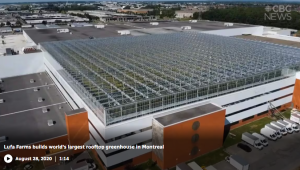
- Promote rooftop greenhouses that cool buildings and grow food. Lufa Farms in Montreal did exactly this, building on existing light industrial/commercial buildings including an old Sears building to deliver tens of thousands of pounds of produce each week. The city has incorporated its success in its Urban Agriculture Strategy. That is an innovation model we should be encouraging on the other side of Canada.
- Maintain the infrastructure that keeps farmland farmable. We can replace obsolete water pipes, we cannot replace growing soil. Drainage, irrigation and flood protection are municipal assets with lifecycles and replacement costs that Saanich should plan for alongside other utilities. When those systems are tested by drought and deluge and fail, it is our neighbourhoods and farms who feel it first.
- Continue and expand regional opportunities for education in farming and food production. Saanich should continue its partnerships through the Capital Region Food and Agriculture Initiatives Roundtable, supporting the next generation of farmers in collaboration with educational institutions. With most of BC’s farmers aged 55 and older, every acre producing food locally is an acre less exposed to supply disruption.
Connecting Saanich Residents Present & Future
What direction should we go?
Welcoming all voices in building one Saanich would not be complete without listening to the wisdom of our elders and the passion of our youth, finding the balance with how people access their community, see themselves represented and growing into their community, and aging with dignity into retirement. This starts with our youth and families and matures with our senior residents:
- A seat at the table: Yes to Saanich Youth Council, as well as improving participatory budgeting for all residents, helping the next generation learn public finances and budgeting and having a say in how specific revenue is re-invested in the community
- Let creativity lead: Expand micro-grants for youth-led projects to be reviewed by a youth panel, helping highlight youth priorities in the community
- Making more connections: Deliver free transit passes for Saanich youth similar to what Victoria has, improving connections within and between communities
- Acknowledge progress: partner with community associations and Saanich Legacy Foundation to expand awards for youth who showed positive growth in a school year, nominated by the teachers who see their progress
- Welcoming neighbourhoods in enhancing their parks for fun and safety. Participatory budgeting can better include the people who will live by, enjoy, and bring their children to the parks in their neighbourhood.
- An aging population’s accessibility needs should be honoured. Senior parking spaces and handicap stalls benefit those by definition will not necessarily be using bike paths and public transit. As parking spaces are reduced overall, care is needed for the numbers of required accessible spots that would be representative of our community overall.
A Fiscally Sustainable Saanich
What direction should we go?
The features that make Saanich wonderful to live in are worth knowing and protecting. Taxes are the mandatory investment made on common needs and priorities, our streets, schools, hospitals, and all the invisible everyday things like roads and the pipes beneath them. At the same time, emergencies are costlier than planning ahead, and the same transparency people want with their provincial and federal governments is something we can welcome people into better here in Saanich.
- Wherever we need or want to go, we start with where we are. Costs are rising and the borrowing environment is changing. To keep up with needed repairs or replacements responsibly, we must do a better job onboarding the public onto public budgeting. Welcoming people into the process better can look like:
- Public budgeting in plain language. People want transparent government and where there is an opportunity for everyday people to understand their community better, pointing at real-world examples and talking about it helps bring people closer to the decisions that affect them everyday.
- Growing Participatory Budgeting. Saanich can build towards giving residents more insight and more say in how revenues are invested back into the community. Phased in, using upcoming Amenity Cost Charge bylaw updates, Participatory Budgeting is practiced in many places with strong results and lessons learned. When it comes to how we raise and use money, seeing really is believing.
- Honesty about infrastructure replacement. Emergency responses cost more than forward planning. Between heat domes and atmospheric rivers, our relationship to the land is being tested and failure will be all-too-obvious. Our shared futures deserve honesty and creativity to problem-solve.
- Grow our commercial and employment tax base. Entrepreneurship takes imagination and daring and encouraging entrepreneurship is one of the best uses of our District’s imagination. Working with the community to leverage new facilities like the Vancouver Island Technology Park to foster innovative ventures, as well as re-purposing existing commercial where feasible like in the Uptown-Douglas area.
- Artificial Intelligence is great sci-fi, not great land use. Not all emerging sectors are created or intended equally, and Saanich must reject AI data centers. The impacts are too harmful, the risks to communities too high, to accept the trade-offs.
Checking-in with Neighbourhoods between Elections
- I can only ask other councillors join me but there is great value in going door-to-door and being present with communities in between election time as a check-up. What is working, what is changing, what do we as elected leaders need to understand better?